Describe Two Techniques Used by Gothic Sculptors
Sculpture is the branch of the visual arts that operates in three dimensionsIt is one of the plastic artsDurable sculptural processes originally used carving the removal of material and modelling the addition of material as clay in stone metal ceramics wood and other materials but since Modernism there has been an almost complete freedom of materials and process. For instance already in the Predynastic period we find figurines carved from lapis lazulia lustrous blue stone that originates in what is now Afghanistan and indicates the early presence of robust trade routes.
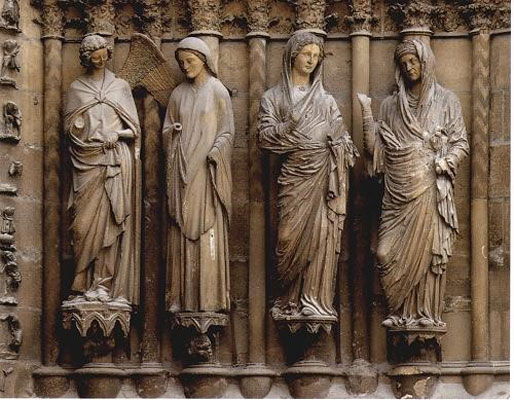
Gothic Art And Architecture Top Works Theartstory
Elements of the French Gothic present in such works include the use of decorative page framing reminiscent of the architecture of the time with elongated and detailed figures.

. Carvings were the main techniques used in this architectural sculpture. Yet another way in which di Bondone broke the mold was to manipulate the effects of light and shade to communicate a sense of reality to the viewer. Sculptors use additive and subtractive techniques to create sculptures.
The art of Europe from approximately 1000 CE to the rise of the Gothic style in the 13th century or later depending on region. Primary media in the Gothic period included sculpture panel painting stained glass fresco and illuminated manuscripts. Sculptures are decorative forms of art that have been in existence for centuries.
The art of the Renaissance is characterized by realism. Additive means to bring materials together while subtractive means to take away from the base material. Sculpture an artistic form in which hard or plastic materials are worked into three-dimensional art objects.
The Renaissance was a period of wealth education war religion and most importantly art from the 14th through 16th centuries CE. Briefly describe and discuss the main features of Gothic architecture. Walpole applied the word in the subtitle A Gothic Story The use was intended to be a sophisticated joke to suggest that the story was an antique relic even though it was mere fiction.
The list comprises devices used to introduce the illusion of three dimensions on a two-dimensional surface methods of paint application and different mediums chosen by the artist to create the desired visual effect. He used light and shade both to demonstrate the variety of settings earth rather than the traditional sacred-looking background and to give life to his subjects. An enormous variety of media may be used including clay wax stone metal fabric glass wood plaster rubber and.
Gothic art was a style that developed concurrently with Gothic architecture during the mid-12th century. They were surrounded by Gothic Cathedrals in France Germany and England which contributed to their style. The designs may be embodied in freestanding objects in reliefs on surfaces or in environments ranging from tableaux to contexts that envelop the spectator.
Two interesting movements of this era include Cubism and Abstract Expressionism is the one among the following choices given in the question that is the thesis statement in the essay. The use of spatial indicators such as building elements and natural features such as trees and clouds also denote the French Gothic style of illumination. Gothic style encompasses many forms of art including sculpture and furniture but no discipline was more visually masterful than that of Gothic architectureThe Gothic architectural movement originated in the Middle Ages around the mid-12th century in France and though enthusiasm began to wane in central Italy towards the 16th century other parts of northern.
A three-panel work is called a triptych and so on. A tympanum is a. An example of a Romanesque sculpture is the Tympanum in St.
The correct option among all the options that are given in the question is the third option or option C. 2017 Q8 I agree that the scenes of judgment and damnation found in Romanesque sculpture contrast greatly with the more serene imagery used in Gothic sculpture. The creators of Gothic churches and cathedrals used architecture sculpture and stained glass to communicate ideas about the power of the church as well as about the story of Christianity.
The materials and techniques of Renaissance art gave it a. Reliefs are a type of sculpture that are essentially images protruding from a flat background. There are six key methods and techniques of carving.
The flying buttress is the most important and defining characteristic of Gothic architecture. In the high Renaissance from 1475 to 1525 artists including Leonardo da Vinci and Michelangelo focused on space and. And Briefly describe and discuss one other named artefact from this period in Ireland.
New building techniques allowed architects to extend the walls to make them taller as with towers. In your answer refer to the period in which they were made form function decoration and the techniques used in their production. Discuss this statement with reference to a named Gothic church or cathedral.
Rudolf of Rheinfelden 1025 1080 was Duke of Swabia 10571079 and German Antiking 10771080. One of the fundamental characteristics of Gothic architecture was its height. Egyptian artists used a wide array of materials both local and imported from very early in their history.
Reliefs are generally from the Romanesque or Gothic period. 1 A diptych which is simply two panels hinged together is a traditional European method of presenting two complementary scenes of painting or relief sculpture. Name describe and discuss the two artefacts illustrated on the accompanying sheet.
Relief panels were often made to decorate altars to serve as book covers or in the form of a diptych. The first mention of Gothic literature appeared in English writer Horace Walpoles The Castle of Otranto published in 1764. He was the son of Count Kuno of Rheinfelden and eventually became the alternative king or antiking.
They can be used to tell a story or represent the socio-cultural beliefs of a certain community. The Renaissance changed the way we think about art. Since no wealthy patrons who wanted grand paintings were sponsoring them artists focused on daily life and.
They include bronze casting stone carving wood carving ivory carving modeling clay and wax modeling. During the early Renaissance from 1400 to 1479 artists including Donatello and Giotto focused on symmetry to create the perfect form consulting the work of classical artists. Northern Artists sculptors and architects were influenced by daily life portraits religious scenes and scenes of nature.
The earliest Gothic art existed as monumental sculpture on the walls of cathedrals and abbeys.
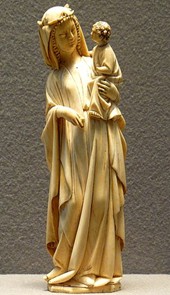
Gothic Sculpture History Characteristics
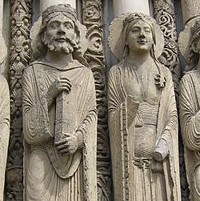
Gothic Art Characteristics History
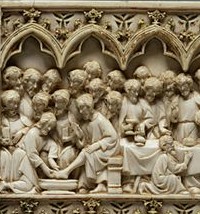
Gothic Sculpture History Characteristics


Comments
Post a Comment